
Have you been following hair care advice passed down through generations without questioning its validity? Where traditional wisdom meets modern hair care practices, several myths continue to influence our hair care decisions. Let's debunk these common misconceptions with factual insights to help you make informed choices about your hair health. Myth #1: Hormonal Imbalance is …

Have you been following hair care advice passed down through generations without questioning its validity? Where traditional wisdom meets modern hair care practices, several myths continue to influence our hair care decisions. Let’s debunk these common misconceptions with factual insights to help you make informed choices about your hair health.
Myth #1: Hormonal Imbalance is the Only Cause of Hair Loss
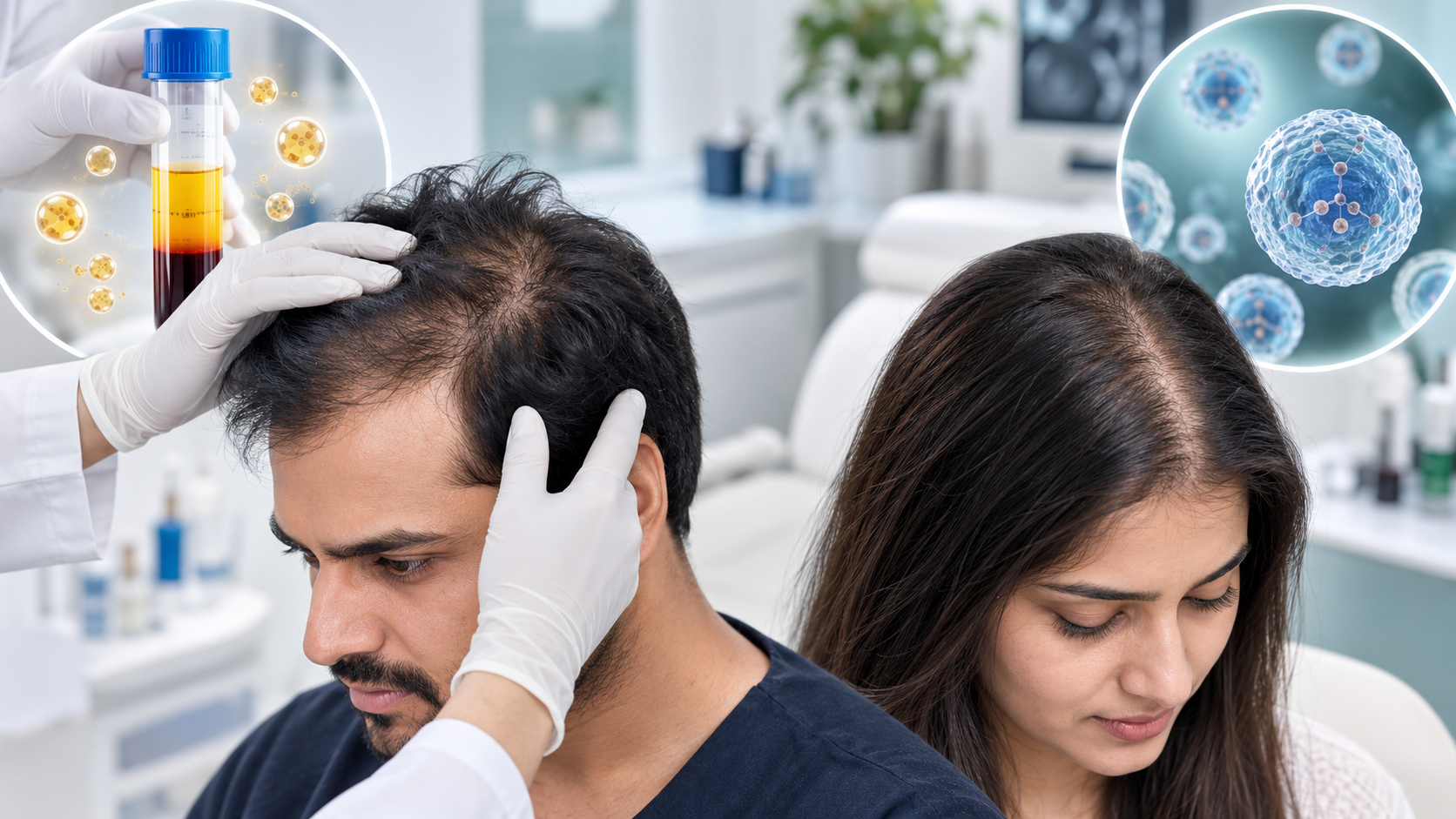
Fact: While hormonal imbalances, such as those caused by conditions like polycystic ovary syndrome (PCOS) or thyroid issues, can contribute to hair loss, they are not the only culprits. Hair loss can result from various factors, including:
- Genetics: Hereditary hair loss (androgenetic alopecia) is one of the most common causes.
- Environmental Factors: Pollution and sun exposure can damage hair.
- Diet: Nutritional deficiencies, particularly in vitamins and minerals, can lead to hair thinning.
- Stress: Chronic stress can trigger conditions like telogen effluvium, leading to temporary hair loss.
Consulting with professionals at clinics like Tricohohom can provide a comprehensive evaluation to identify the specific causes of hair loss and develop a tailored treatment plan.
Myth #2: Natural and Herbal Treatments are Always Safe and Effective
Fact: While many natural remedies can promote hair health, they aren’t universally effective or safe for everyone. Factors to consider include:
- Allergic Reactions: Some natural ingredients may cause allergies or irritate the scalp.
- Efficacy: Certain conditions may require medical intervention rather than herbal solutions.
- Personalization: Treatments should be tailored to individual needs, and what works for one person might not work for another.
At Tricohohom, professionals can help you evaluate the use of natural remedies alongside modern treatments to ensure the best outcomes for your hair.
Myth #3: Expensive Treatments Guarantee Better Results
Fact: The price of a treatment does not always correlate with its effectiveness. Key points include:
- Suitability: Treatments should be based on individual hair conditions rather than their cost.
- Professional Expertise: The skill and experience of the practitioner play a critical role in treatment success.
- Consistency: Following the recommended care routine is often more important than the initial cost of the treatment.
Tricohohom focuses on personalized care, ensuring that your treatment plan is tailored to your specific needs, regardless of price.
Myth #4: Hair Loss is Always Permanent and Irreversible
Fact: Many types of hair loss can be effectively treated, especially when addressed early. Consider the following:
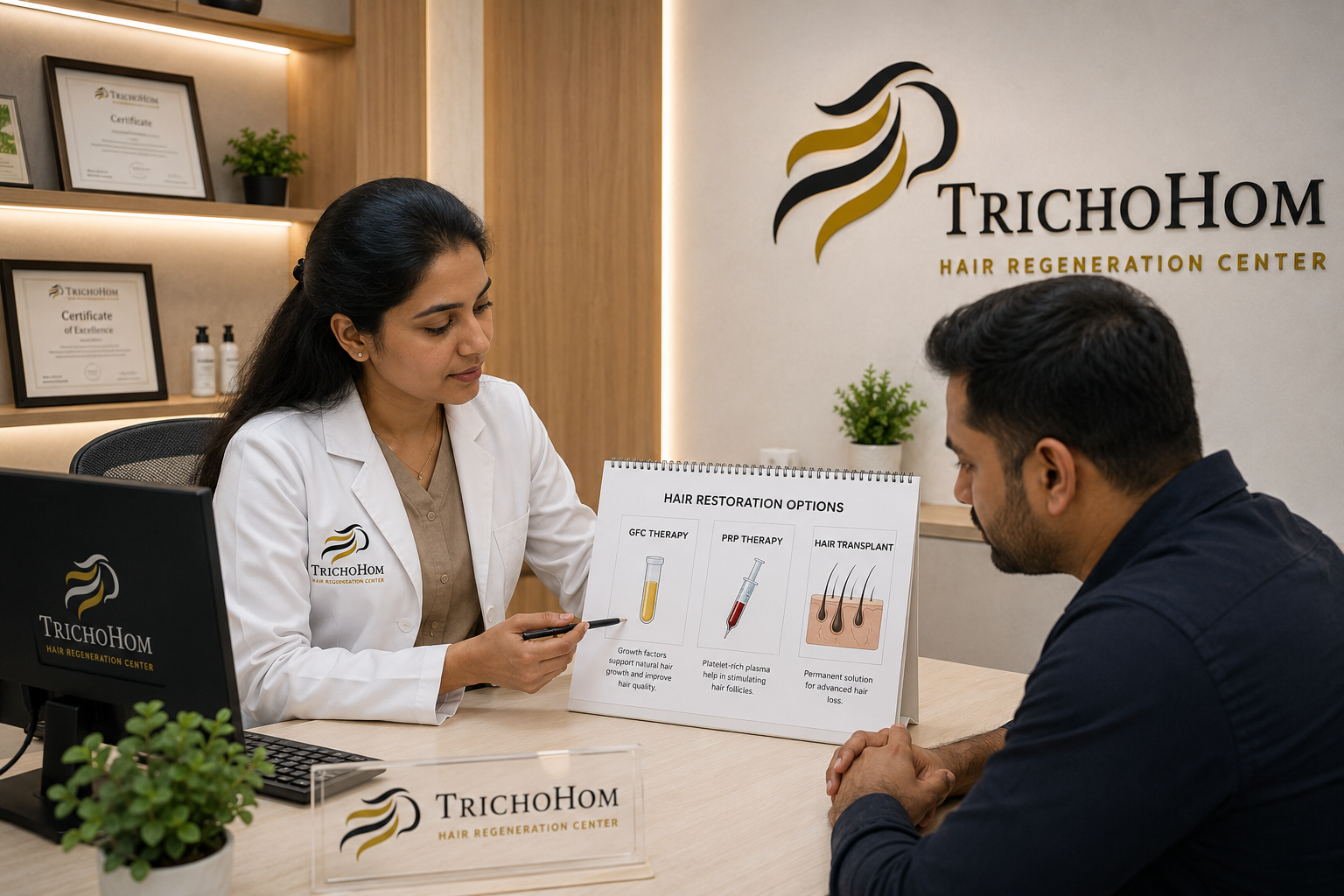
- Treatment Options: Innovations in hair restoration, such as PRP (Platelet-Rich Plasma) therapy and hair transplants, can provide significant improvements.
- Temporary Conditions: Some hair loss, like telogen effluvium, is reversible with proper care and intervention.
Clinics like Tricohohom offer advanced treatments that have shown remarkable success in restoring hair, proving that not all hair loss is permanent.
Myth #5: Daily Oil Application is Essential for Healthy Hair
Fact: While oiling can be beneficial for some hair types, it’s not a one-size-fits-all solution. Important considerations include:
- Hair Type: Oiling frequency should depend on your specific hair type and condition.
- Scalp Health: Over-oiling can lead to clogged pores and scalp issues.
- Balanced Care: A holistic approach that includes proper cleansing, conditioning, and treatment is essential for healthy hair.
Tricohohom’s experts can guide you in creating a hair care routine that maximizes the benefits of oiling while considering your unique hair type.
The Way Forward
Instead of following myths and misconceptions, consider these evidence-based approaches:
- Consult Experts: Seek advice from qualified trichologists or dermatologists at clinics like Tricohohom for personalized treatment plans.
- Educate Yourself: Stay informed about effective hair care practices through credible sources.
- Combine Approaches: A mix of modern treatments and traditional remedies may yield the best results.
- Preventative Care: Early intervention is key to managing hair loss effectively.
Expert Tip
According to professionals at Tricohohom, maintaining a healthy scalp and understanding your hair type are crucial for effective hair care. Regular consultations can help you develop a treatment plan that works best for you.
By understanding and moving past these common misconceptions, you can make better choices for your hair health and achieve the results you desire. Whether you choose Tricohohom for specialized hair treatments or explore other options, ensure your decisions are based on facts rather than myths.
FAQs
1. How do I know if my hair loss is temporary or permanent?
Consulting with a professional at a clinic like Tricohohom can help determine the cause of your hair loss. They will assess your medical history, hair type, and any underlying health issues to provide a personalized diagnosis.
2. Are herbal treatments effective for hair growth?
Herbal treatments can be effective for some individuals, but their efficacy varies based on hair type and the specific condition being treated. It’s best to consult with experts who can recommend appropriate treatments tailored to your needs.
3. How often should I visit a hair care professional?
Regular visits are recommended, especially if you are experiencing hair loss or other hair-related issues. A professional can provide ongoing assessments and adjustments to your treatment plan based on your progress.
4. Can stress really cause hair loss?
Yes, chronic stress can lead to hair loss conditions such as telogen effluvium, where hair follicles prematurely enter the shedding phase. Managing stress through healthy lifestyle choices can help mitigate this effect.
5. What are some effective treatments for hair loss?
Effective treatments may include medications like minoxidil, PRP therapy, or hair transplant procedures. A consultation at Tricohohom can help determine the best option for your specific situation.
Book a Consultation
It’s easy and free!

![laser hair removal ahmedabad | fda approved diode laser hair reduction navratri offer
Roz roz shaving se kaale daag? Waxing ka dard har 15 din? FDA approved diode laser hair reduction at TrichoHom Jodhpur Ahmedabad se 4-6 sessions me permanent hair-free smooth skin for Navratri sleeveless choli and Garba. Painless, safe for Indian skin type.
DM "HAIRFREE" for Navratri offer cost details
📍 TrichoHom Hair Regeneration Center, Sigma Icon 2, Jodhpur, Ahmedabad
[Navratri offer laser hair removal Ahmedabad hair reduction fda approved diode machine cosmetologist savingpain waxing pain ]](https://www.trichohom.com/wp-content/plugins/instagram-feed/img/placeholder.png)