
Understanding Dandruff: Causes and Effective Solutions Dandruff affects nearly 50% of the adult population worldwide, causing embarrassment, discomfort, and frustration. While many seek a permanent cure, understanding the underlying causes is essential for effective long-term management. At Trichohom, we believe in comprehensive approaches that address both symptoms and root causes to help you achieve a …

Understanding Dandruff: Causes and Effective Solutions
Dandruff affects nearly 50% of the adult population worldwide, causing embarrassment, discomfort, and frustration. While many seek a permanent cure, understanding the underlying causes is essential for effective long-term management. At TrichoHom, we believe in comprehensive approaches that address both symptoms and root causes to help you achieve a flake-free, healthy scalp.
What Causes Dandruff?
Dandruff occurs due to several interrelated factors that disrupt your scalp’s natural balance:
Malassezia Fungus Overgrowth
The Malassezia fungus naturally lives on everyone’s scalp but can cause problems when it multiplies excessively. This fungus feeds on your scalp’s natural oils (sebum), breaking them down into irritating substances that trigger flaking and itching in susceptible individuals.
Seborrheic Dermatitis
This inflammatory skin condition affects oil-rich areas, particularly the scalp, causing redness, itching, and flaking. Seborrheic dermatitis is considered a more severe form of dandruff and may require targeted treatment approaches.
Additional Contributing Factors
- Dry Scalp: Environmental factors like cold weather or excessive heat styling
- Product Sensitivity: Reactions to hair care ingredients
- Irregular Shampooing: Either washing too frequently or not enough
Stress and Diet: Both can influence scalp health and dandruff severity
Can Dandruff Be Cured Permanently?
While “permanent cure” might be an ambitious goal, dandruff can be effectively managed and controlled to the point where it’s no longer a concern. Success requires:
- Identifying your specific type of dandruff
- Targeting the underlying causes
- Maintaining consistent treatment
- Making supportive lifestyle changes
Medical Approaches to Treating Dandruff
Anti-Dandruff Shampoos: Finding Your Match
Different active ingredients target different causes of dandruff:
- Ketoconazole: An antifungal that effectively reduces Malassezia populations
- Zinc Pyrithione: Fights fungus and bacteria while reducing cell turnover
- Selenium Sulfide: Controls fungal growth and slows cell death on the scalp
- Salicylic Acid: Helps exfoliate dead skin cells from the scalp
- Coal Tar: Slows skin cell turnover and reduces inflammation
Pro Tip: Rotate between 2-3 different anti-dandruff shampoos for maximum effectiveness, as your scalp can develop resistance to a single product over time.
When to Seek Professional Help
For persistent or severe dandruff, a dermatologist or trichologist may prescribe:
- Stronger ketoconazole formulations
- Corticosteroid solutions to reduce inflammation
- Specialized scalp treatments tailored to your specific condition
Natural Remedies and Lifestyle Changes
Effective Home Remedies
While scientific evidence varies, many find relief with these natural approaches:
- Tea Tree Oil: With natural antifungal properties, diluted tea tree oil (just a few drops in your regular shampoo) may help control Malassezia
- Apple Cider Vinegar Rinses: Help restore scalp pH balance (dilute 1 part ACV with 3 parts water)
- Aloe Vera: Soothes an irritated scalp and reduces inflammation
- Coconut Oil: May help moisturize a dry scalp when used as a pre-shampoo treatment
Diet and Lifestyle Factors
Supporting scalp health from within:
- Omega-3 Fatty Acids: Found in fish, flaxseeds, and walnuts, these can help reduce inflammation
- Probiotics: Support overall microbiome balance, potentially affecting scalp health
- Stress Management: Practice relaxation techniques, as stress can trigger or worsen dandruff
- Adequate Hydration: Supports overall skin health, including your scalp
Creating Your Anti-Dandruff Routine
Step 1: Identify Your Dandruff Type
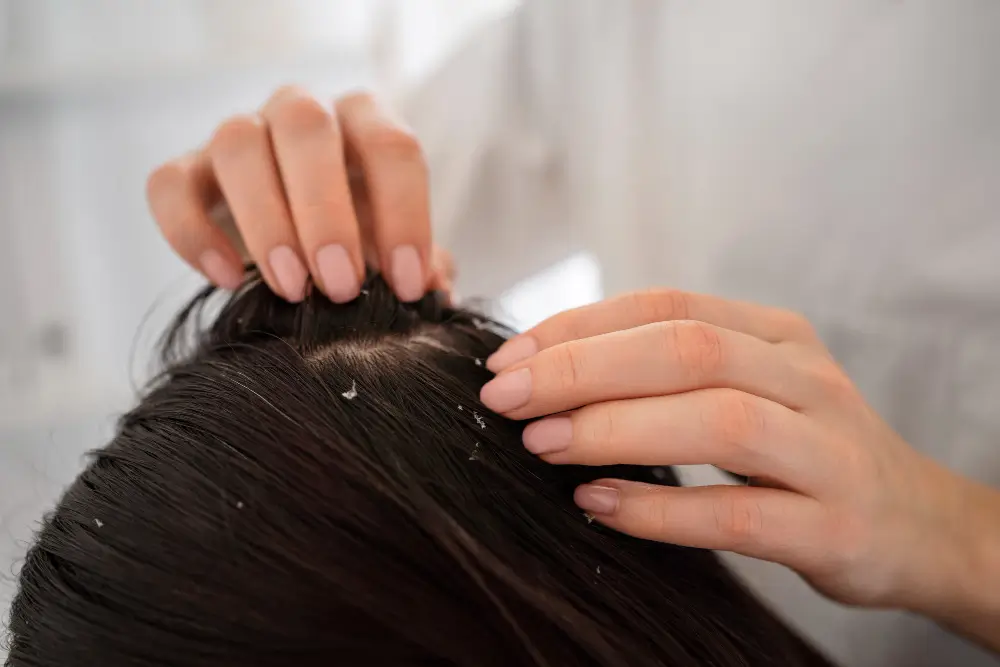
- Dry, flaky scalp with small white flakes suggests simple dry scalp
- Oily, yellowish flakes that stick to the hair often indicate seborrheic dermatitis
- Redness and inflammation might suggest a more complex condition requiring professional attention
Step 2: Select Appropriate Products
Match your symptoms to the right active ingredients:
- For fungal-related dandruff: Ketoconazole or zinc pyrithione
- For scalp buildup: Salicylic acid
- For seborrheic dermatitis: Selenium sulfide or coal tar
Step 3: Develop a Consistent Routine
- Pre-treat with scalp oil if needed (for dry scalp types)
- Wash with appropriate anti-dandruff shampoo
- Use lightweight, non-comedogenic conditioner (avoid applying directly to scalp)
- Incorporate weekly scalp treatments for maintenance
Step 4: Monitor and Adjust
Track your progress and be prepared to adjust your routine seasonally or as your scalp condition changes.
FAQs
How Long Does It Take to Cure Dandruff?
With consistent treatment using appropriate anti-dandruff products, most people notice significant improvement within 2-4 weeks. However, complete management may take longer depending on severity and underlying causes. Remember that ongoing maintenance is often necessary to prevent recurrence.
Is Dandruff Contagious?
No, dandruff is not contagious. You cannot “catch” dandruff from someone else, as the underlying factors—whether fungal imbalance, skin condition, or sensitivity—are related to your individual scalp environment.
Why Does Dandruff Worsen in Winter?
Winter often exacerbates dandruff due to:
- Drier indoor air from heating systems
- Reduced humidity
- Temperature fluctuations that can stress the skin
- Less frequent washing during colder months
Using a humidifier and maintaining consistent scalp care can help mitigate seasonal flare-ups.
How Often Should I Wash My Hair If I Have Dandruff?
For most dandruff sufferers, washing every 1-2 days with a targeted anti-dandruff shampoo is recommended. Allow the shampoo to sit on your scalp for 3-5 minutes before rinsing to maximize effectiveness. If you have curly or textured hair that tends to dry out easily, consult with a trichologist at TrichoHom for a customized washing schedule.
Can Children Get Dandruff?
Yes, children can develop dandruff, particularly after puberty when oil production increases. For children, always choose gentle, age-appropriate treatments and consult a healthcare provider before using medicated products.
When to Visit a Professional
Consider consulting with our specialists at TrichoHom if:
- Your dandruff persists after 4 weeks of consistent home treatment
- You experience severe redness, inflammation, or bleeding
- The condition spreads beyond your scalp to other body areas
- You suspect an allergic reaction to hair care products
Conclusion
While a permanent, one-time cure for dandruff remains elusive, implementing the right combination of treatments and lifestyle changes can effectively control symptoms long-term. The key is consistency and finding the approach that works for your specific scalp condition.
At TrichoHom, we understand that each scalp is unique, and our personalized approach ensures you receive targeted care for lasting results. Remember that successful dandruff management is about creating healthy scalp conditions that discourage the factors causing flaking and irritation.
By understanding the underlying causes and committing to proper scalp care, you can achieve what feels like a “permanent cure”—a healthy, flake-free scalp that stays that way with proper maintenance.
Book a Consultation
It’s easy and free!


![laser hair removal ahmedabad | fda approved diode laser hair reduction navratri offer
Roz roz shaving se kaale daag? Waxing ka dard har 15 din? FDA approved diode laser hair reduction at TrichoHom Jodhpur Ahmedabad se 4-6 sessions me permanent hair-free smooth skin for Navratri sleeveless choli and Garba. Painless, safe for Indian skin type.
DM "HAIRFREE" for Navratri offer cost details
📍 TrichoHom Hair Regeneration Center, Sigma Icon 2, Jodhpur, Ahmedabad
[Navratri offer laser hair removal Ahmedabad hair reduction fda approved diode machine cosmetologist savingpain waxing pain ]](https://www.trichohom.com/wp-content/plugins/instagram-feed/img/placeholder.png)